
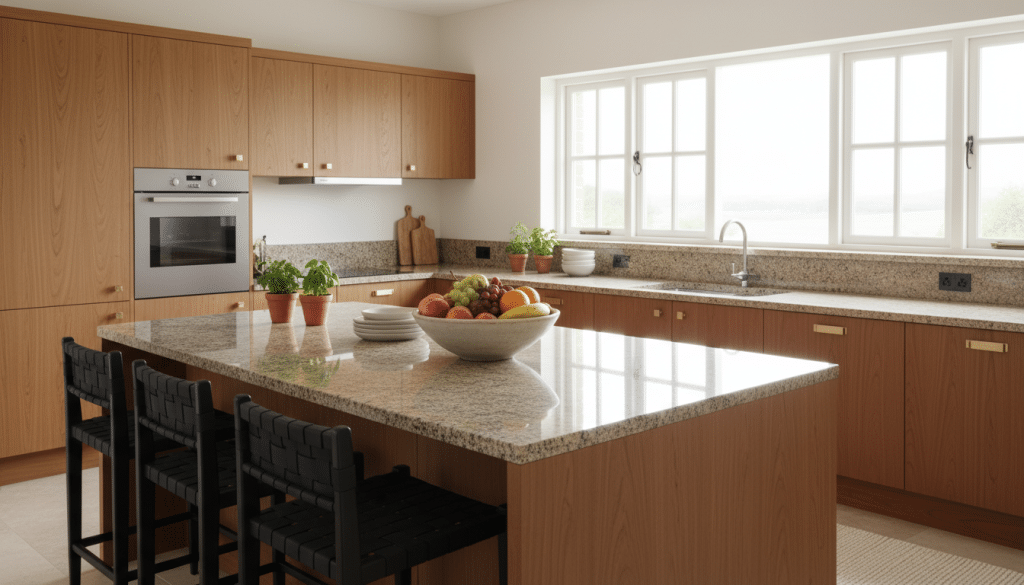
Curious which surface will stand up to daily life in your kitchen and still look great? Many homeowners ask what countertop material is best, and it matters. Your countertops take prep, spills, hot pots, homework, and everything in between.
We’re Rock Solid Tops — fabricating and installing granite, quartz, and other stone surfaces for 30+ years in Minneapolis and nearby towns. Our team blends craft and care to help you pick the right surface for how you cook, clean, and live.
Fast turnaround: get your new countertops installed in as little as one week after measuring. We’ll compare granite vs quartz, marble vs quartz, butcher block vs stone, concrete vs solid surface, soapstone vs stainless, and quartzite vs quartz.
There isn’t one perfect answer for everyone. We’ll give a clear cheat sheet on durability, maintenance, heat, stains, and style so you can narrow your choice quickly. If you want help, we’ll measure, guide design decisions, and move fast once you’re ready.
Key Takeaways
- Daily life shapes the right surface for your kitchen.
- We’ve got 30+ years of local fabrication and installation experience.
- Fast installs — as soon as one week after measuring.
- We’ll compare common options to match durability and style.
- Expect a practical cheat sheet for care and performance.
- We’ll help measure and guide choices without pressure.
How to Choose the Right Countertop Material for a Minneapolis Home or Business
We help you pair practical needs with long-term style so your investment pays off for years. Start with how you actually use the kitchen or workspace. That simple step narrows choices fast and keeps you from overpaying for features you won’t need.
Match use to performance
Think busy family, rental update, or a restaurant prep area. Each needs different countertops. Busy homes want low maintenance and stain resistance. Commercial kitchens need heat and scratch resistance.
Budget and long-term value
Granite typically runs about $80–150/sq ft installed and is very heavy. Quartz is engineered and often $50–200/sq ft installed. Lower bids can cost more over time. We focus on value, not just price.
Design and installation matters
- Natural stone brings unique movement; engineered options give consistent color and repeatable patterns.
- Proper measuring prevents seam and overhang problems; heavy slabs need pro handling to protect cabinets and floors.
- We measure, fabricate, and install quickly — often within one week after measuring.
Rock Solid Tops partners with you through selection, measuring, and precise installation. We make choices about durability, maintenance, heat, stains, and scratches easy to understand.
What countertop material is best for Busy Households and High-Traffic Spaces?
Busy households mean constant wiping, school projects on the island, frequent spills, and lots of cooking at once. High-traffic spaces demand a blend of toughness and low daily fuss. We focus on practical picks that match that pace.
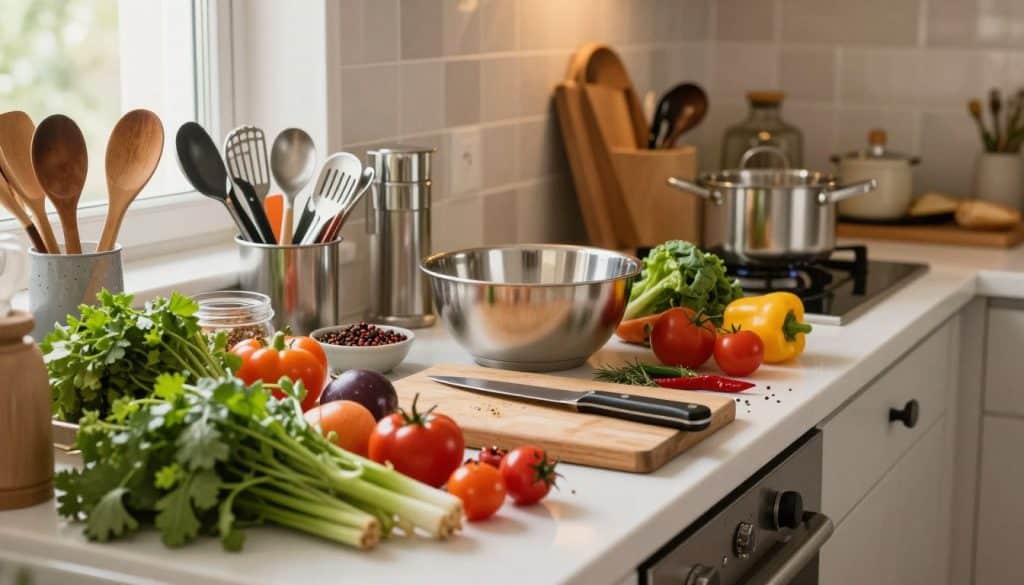
Best “set it and forget it” picks for low maintenance
Quartz tops the list for homeowners who want non-porous, no-seal care and easy daily cleaning. Engineered stone resists stains and bacteria, so a quick wipe usually does the trick.
Best options for frequent cooking and hot pans
Granite and quartzite handle heat well and stand up to heavy use, though granite needs periodic sealing. Stainless steel and soapstone also tolerate hot pots and pans—still, we suggest trivets for longevity.
Best choices for families worried about staining
- Non-porous surfaces resist staining and need minimal maintenance.
- Sealed natural stone reduces staining risk but requires routine care.
- Every option can show wear; pick the weakness you can live with.
If your Minneapolis kitchen is the household hub, pick a surface that matches your schedule, not one that creates chores. We’ll help you compare options, fabricate the slab, and install it fast and cleanly. Call or email us anytime!
Granite Countertops vs Quartz Countertops
Choosing between granite and quartz often comes down to whether you value natural character or engineered consistency. Both perform well, but they behave differently in the kitchen. We’ll walk through practical differences so you can pick with confidence.
Durability and scratches
Granite rates around Mohs 6–7; quartz sits near Mohs 7. In daily life, that means both resist most chips and normal wear. Quartz’s engineered mix gives slightly more uniform hardness across a slab.
Stain resistance and sealing
Granite is porous and benefits from periodic sealing. When sealed, it resists stains well. Quartz is non-porous and needs no seal, so everyday spills clean up with less fuss.
Heat and hot pots
Both handle routine cooking. Still, hot pots and pans can damage edges or finishes. We recommend trivets and cautious handling to protect the surface and seams.
Look, color, and variety
Granite offers unique natural stone movement — no two slabs match. Quartz delivers consistent color and repeatable patterns, which helps when matching large runs or multiple slabs.
Maintenance and project planning
- Granite: seal every 1–3 years, mild cleaner, avoid acidic products.
- Quartz: wipe with soap and water, avoid high-alkaline cleaners.
- Plan seams, sink cutouts, and edge profiles with a pro to protect durability and appearance.
Both granite and quartz can increase value and enjoyment. With 30+ years fabricating and installing stone, we handle measuring, fabrication, and precise installation so your new surface looks great and lasts.
Marble vs Quartz for a High-End Look
For a luxe kitchen, the choice between marble and quartz shapes your whole look and daily routine. We guide you toward the option that fits your lifestyle and design goals.
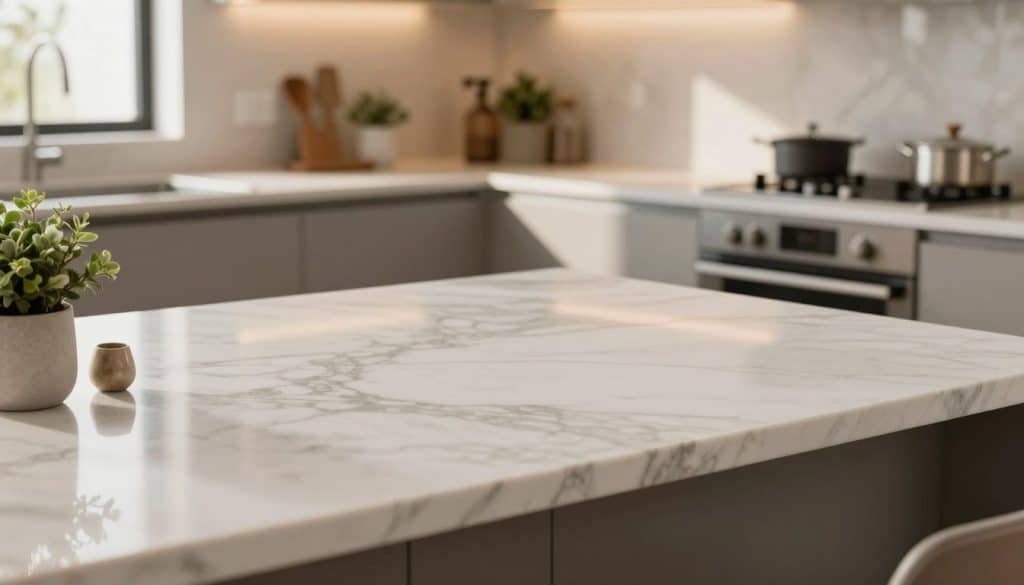
Veining and aesthetic impact
Marble offers dramatic veining, bright whites, and soft movement that catch light and create a true design moment. Each slab is unique.
Quartz delivers consistent color and repeatable patterns, so you can predict the finished look across large runs.
Etching, stains, and everyday care
Marble can etch from acidic foods like tomatoes or wine and show scratches more easily. Light etching softens the sheen over time.
Quartz is non-porous and resists most stains, so daily care stays simple: a wipe and mild cleaner.
Cooking, heat, and practical use
Marble stays cooler to the touch, which bakers love. Still, always use trivets near hot pans—heat can harm finishes on either surface.
- Pick marble if you want a lived-in, dramatic look and enjoy marble’s baking benefits.
- Pick quartz if you want luxe style with lower maintenance and predictable results.
- We’ll help select the right slab or color so the whole kitchen feels intentional and balanced.
Butcher Block vs Stone Countertops for Warmth and Character
Wood brings an instant cozy mood to a kitchen, but it asks for more hands-on care than stone. If you love the look, plan for upkeep and smart placement.
End grain vs edge grain: simple differences
End grain stands up to knives and wear. It costs more but offers superior durability. Edge grain is common, looks classic, and costs less.
Maintenance you should expect
Butcher block needs regular oiling and occasional sanding. Sealing helps against stains, and refinishing brings wood back from dings and marks.
Water, heat, and danger zones
Avoid placing wood directly beside sinks, dishwashers, or cooktops. Water and hot pots can warp or darken wood fast. Use stone near heavy-heat and wet areas.
Smart design approach
- Mix-and-match: use butcher block as a prep island and stone around the range and sink.
- Hygiene: quick wipes work, but deep stains may need sanding and oil.
- Practical choice: pick wood for warmth; pick stone for low-maintenance zones.
Concrete Countertops vs Solid Surface Countertops for Modern Remodels
Concrete and solid surface offer two distinct routes for a modern kitchen remodel. One gives an industrial, textured look; the other gives a smooth, seamless finish.
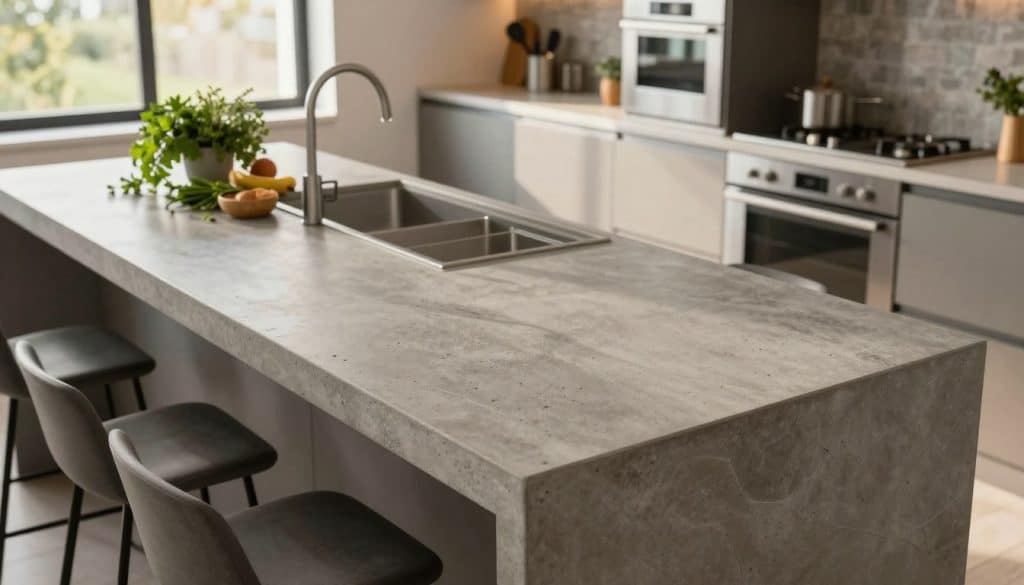
Industrial vibe vs seamless contemporary finishes
Concrete creates a bold, brutalist aesthetic with visible texture and custom color. It ages with a patina.
Solid surface gives uniform color and invisible joins for a clean, contemporary look. It stays consistent over time.
Sealing and cure time
Concrete needs careful sealing and can take up to a month to fully cure before heavy use. Reseal every 3–5 years to protect against wear.
Solid surface is non-porous and requires no seal, so your space returns to service faster after installation.
Scratches, nicks, and stains
Concrete can show scratches and nicks; many marks add character but some can be patched or refinished. Porosity affects stains unless sealing is perfect.
Solid surface can scratch too, but light damage often buffs out. Its non-porous nature lowers stain risk for everyday spills.
Customization and practical choices
- Color and texture: concrete offers unique aggregates and pigments; solid surface offers predictable color runs.
- Shapes and integrated features: both allow integrated sinks and special edges, though timelines and costs vary.
- For multi-unit projects: expect longer downtime with concrete; solid surface helps meet tight schedules.
We’ll help you pick the right option based on desired look, upkeep tolerance, and timeline. Rock Solid Tops guides design choices and realistic schedules so your remodel runs smoothly.
Soapstone vs Stainless Steel for Serious Cooks
For home chefs and restaurant pros alike, performance matters as much as looks. We’ll compare two favorites that survive heavy use but behave very differently day to day.
Heat handling and rapid cooking
Soapstone stands up to high heat and resists stains, so a ripping-hot pan rarely harms it. You can move fast during prep with confidence.
Stainless steel tolerates extreme heat without worry and works like a commercial line—hot pans and quick turnover are no problem.
Hygiene and food prep
Both are non-porous and popular where cleanliness matters. Stainless steel shines in commercial kitchens for antimicrobial ease of care.
Soapstone also performs well and is often described as naturally hygienic.
Appearance, wear, and feel
Soapstone develops a soft patina and may dent or scratch; many cooks love that lived-in look.
Stainless steel keeps an industrial polish, but it shows fingerprints, scratches, and can sound louder when pans hit it.
- Price range: soapstone ~$70–100/sq ft installed; stainless steel ~$70–225/sq ft installed.
- Durability & care: both durable; soapstone needs minor upkeep to maintain patina; stainless needs polishing to hide smudges.
- Recommendation: choose soapstone for classic, moody style; choose stainless steel for commercial-grade function.
We’ll help you pick and install the right surface for your kitchen performance and style—call Rock Solid Tops when you’re ready.
Quartzite vs Quartz: Similar Names, Different Materials
Names can confuse—quartzite and quartz sound alike but behave very differently in the kitchen. We’ll break down what you’re actually buying so you can match look and performance to daily use.
Natural vs engineered: what you’re actually buying
Quartzite is 100% natural stone with unique veining and variable porosity. Each slab varies. Quartz is engineered, non-porous, and gives consistent color and pattern across runs.
Sealing and stain risk: why quartzite may need more care
Because quartzite can be porous, it may need periodic sealing. That helps with stain resistance, especially from acidic spills like tomatoes or wine. Quartz rarely needs sealing and often lowers daily upkeep.
Heat performance and where quartzite can shine
Quartzite handles high heat well and suits cooks who use hot pans often. If you want natural stone beauty and strong heat resistance, quartzite can be the right pick—just ask about porosity and recommended sealers when you shop slabs.
- Ask sellers about porosity tests and finish type.
- Confirm sealing intervals and recommended cleaners.
- Match the slab’s upkeep to your routine and cooking habits.
Material-by-Material Cheat Sheet for Durability, Maintenance, and Style
This practical cheat sheet lets you shortlist options in under two minutes. We lay out who should pick which surface for durability, upkeep, and look so you can move forward with confidence.
Best for low maintenance
Quartz wins for low maintenance. It’s non-porous, wipes clean with soap and water, and needs no sealing.
Best for heat resistance
Stainless steel and soapstone handle heavy cooking and hot pans with minimal worry. Quartzite and granite do well, too—use trivets to protect edges.
Best for stain resistance
Non-porous options resist stains. Quartz and solid surface top the list. Natural stone can be sealed to improve stain resistance.
Best for budget-friendly updates
Butcher block and solid surface refresh a kitchen look without the highest price tag. Expect more upkeep with wood and modest longevity compared with stone.
Best for standout luxury design
Marble and high-end quartzite deliver dramatic veining and movement for statement kitchens. They bring showpiece style but may need more care.
Best for commercial and restaurant environments
Choose hygienic, durable surfaces like stainless steel, quartz, or solid surface for fast cleanup and heavy use. These options keep service moving and maintenance low.
Not sure between two options? We’ll help you pick the one you’ll enjoy living with. Contact Rock Solid Tops for guided selection, measuring, and fast installation!
Countertop Fabrication and Installation in Minneapolis, MN with Rock Solid Tops
Ready to turn your kitchen vision into reality with fast, precise fabrication and a friendly local crew? We’re Rock Solid Tops — Our Craftmanship, Your Vision. With 30+ years of experience, we guide design choices and handle every step so your project runs smoothly.
Our Craftsmanship, Your Vision: design help for homes and commercial buildouts
We come to your site, measure with laser accuracy, and advise on slab selection. Granite is heavy and needs pro handling; quartz and other stone require exact cutouts and seam placement. We manage slab handling, fabrication, and precise fit.
Timeline and project types
Fast install promise: in many cases you can get new countertops installed in as little as one week after measuring. We work on remodels, multi-unit apartments, senior living, restaurants, and commercial buildouts.
Service area and trust
- Minneapolis, St. Paul, and anywhere within an hour of the Twin Cities
- Prompt, professional crews that respect your home and schedule
- We help you pick the right surface for daily use and long-term care
Schedule your free estimate: (612) 270-4239 | info@rocksolidtops.com — trust Rock Solid Tops to deliver quality countertops and a smooth install, on time and on budget.
Conclusion
Pick two non-negotiables—then let those guide your final choice. Name your top needs: low care, heat tolerance, stain resistance, or statement design. That simple step narrows the options fast.
Natural stone brings unique color and veining while engineered choices like quartz give consistent color and easier daily care. Mixing surfaces solves tradeoffs: use work-ready slabs where you cook and showpiece pieces where you want the look.
We serve Minneapolis, MN and nearby towns and can help you decide in one visit. In many cases you can get new kitchen countertops installed in as little as one week after measuring.
Ready? Call Rock Solid Tops at (612) 270-4239 or email info@rocksolidtops.com to schedule your free estimate and move forward on your timeline.